Elizabethan Furniture 1558-1603
Updated: Aug 27
History
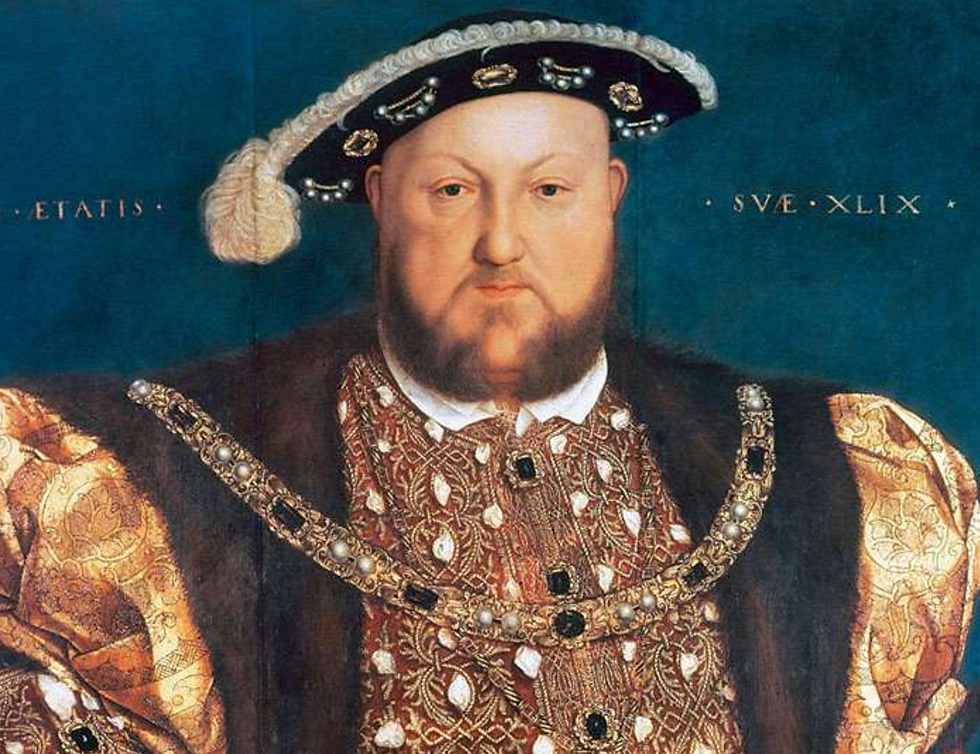
Queen Elizabeth reigned from 1558 until 1603, and despite being the last Tudor, she played such a vital role in the culture and economy of her country, that this era is proudly named after her.
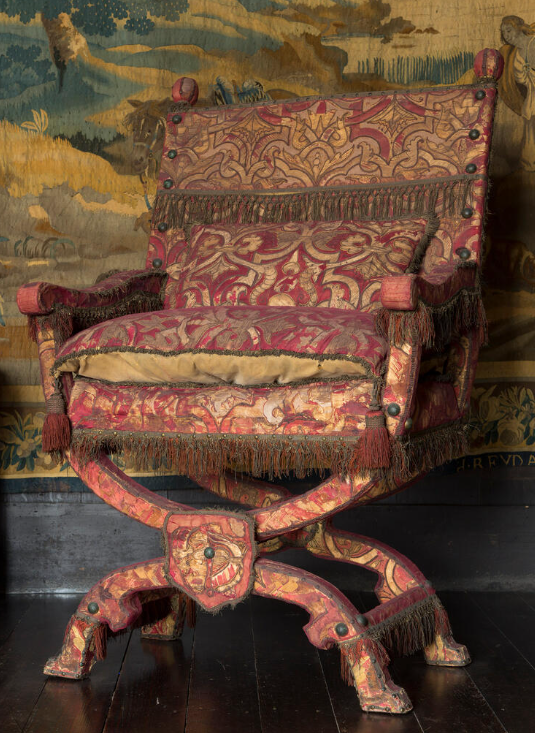
In wood design, carved panels had long been popular throughout the Tudor era, and now with incredibly lavish European influence, they become even more ornate. Early upholstered chairs start to make an appearance in rich and royal households. The seat would often be a stuffed velvet or silk cushion, placed onto a cradle of webbing and/or tacked to the chair's frame.
The Elizabethan X-Chair, as shown here, originated in the Tudor era, but became more widely used by aristocracy and royalty in the Elizabethan and Jacobean eras. They were often covered in very decorative velvets or silks, with the seat being a webbed cradle and removable cushion, and the back and most of the wood covered in fabric. They often came with a matching footstool. This is the first hint of interest in upholstered furniture in England - although they are not yet fixing cushions to frames at this time.
Techniques & Materials
The basic foundations for upholstered chairs are seen in the Tudor X-Chair and footstools. We can start to see some techniques evolving with stuffed fabrics, tacks and webbed frames.
● Oak still used, but walnut is more commonly seen
● Lavish tapestries & silk hangings
● Straw, feathers or animal hair stuffing
● Single layer of fabric or leather to cover stuffing
● Use of squab and loose cushions
● Wood covered in decorative fabrics
● Wood turned and decorative carved legs
Design & Style
The plain linenfold panelling of early Tudor times is replaced by strapwork ornamentation, lozenge decoration, masks, grotesques and floral/fruit motifs. These decorative carving styles start to make an appearance in the frames and legs of the chairs also.
● Finer, lighter furniture
● Highly decorative, ornamental and architectural
● Renaissance-inspired ornamentation
Three Legged Turned Chair
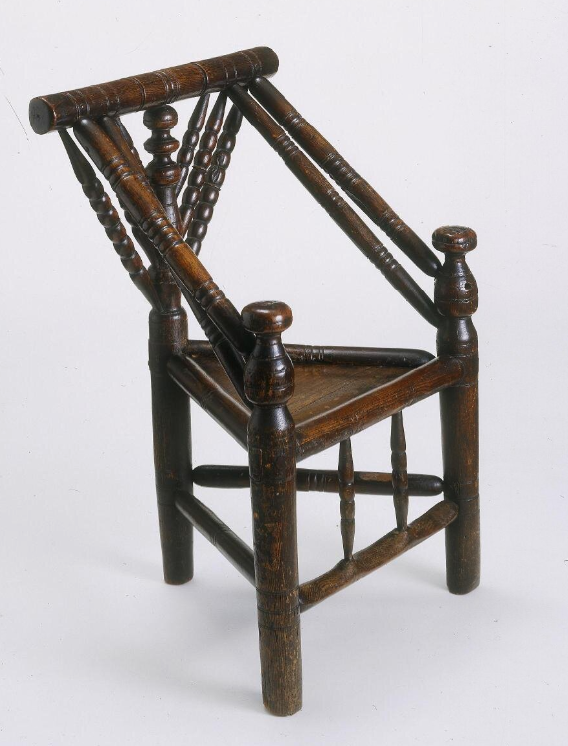
Chairs like this and other objects turned on a lathe were sometimes called 'thrown'. The posts of this small English chair were made on a lathe - a foot-operated machine that turned a length of wood at high speed, while the turner shaped it, using a chisel. They were likely to have a small removable cushion. This is a wonderful example of Elizabethan furniture.
● Made from Oak
● Turned decorative wood work
● Northern Europe and Scandinavian influence
● Delicate light appearance
● Separate cushion
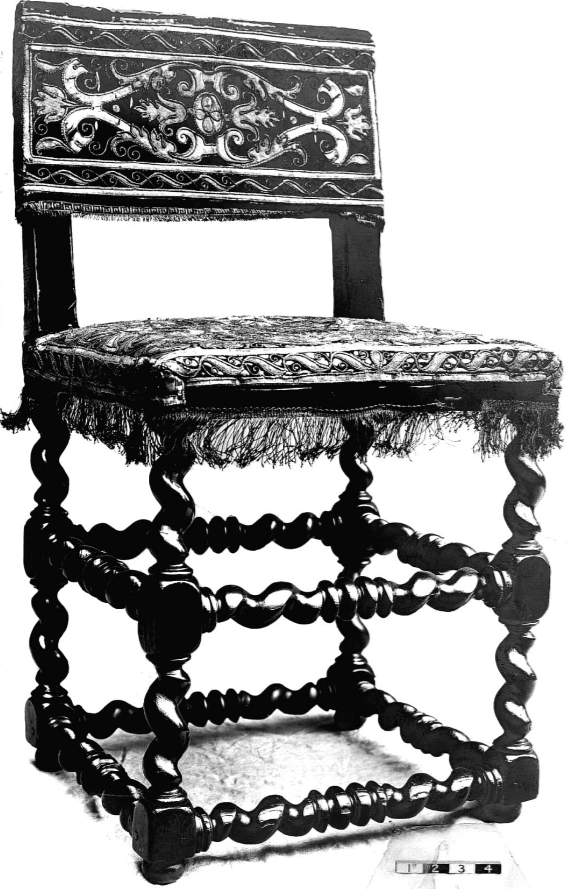
Upholstered Venetian Chair
Despite being a Venetian chair, and therefore technically an example of Italian Renaissance furniture, I believe this is a relevant piece, as it shows the influences reaching the UK at the time. It displays fantastic characteristics that would become Elizabethan and Jacobean by inspiration.
● Walnut frame
● Turned decorative wood work
● Back and seat covered with applique embroidery fabric
● Basic upholstery techniques used - simple stuffing covered with fabric to form cushions for back and seat
● Decorative fabric and adorned with an ornate frill trim
The images for this blog are sourced from https://www.nationaltrustcollections.org.uk and collections.vam.ac.uk - links to individual information pages can be explored by clicking on the images themselves.